
When the World Gets Too Bright: Supporting Neurodivergent Children Through the Festive Season
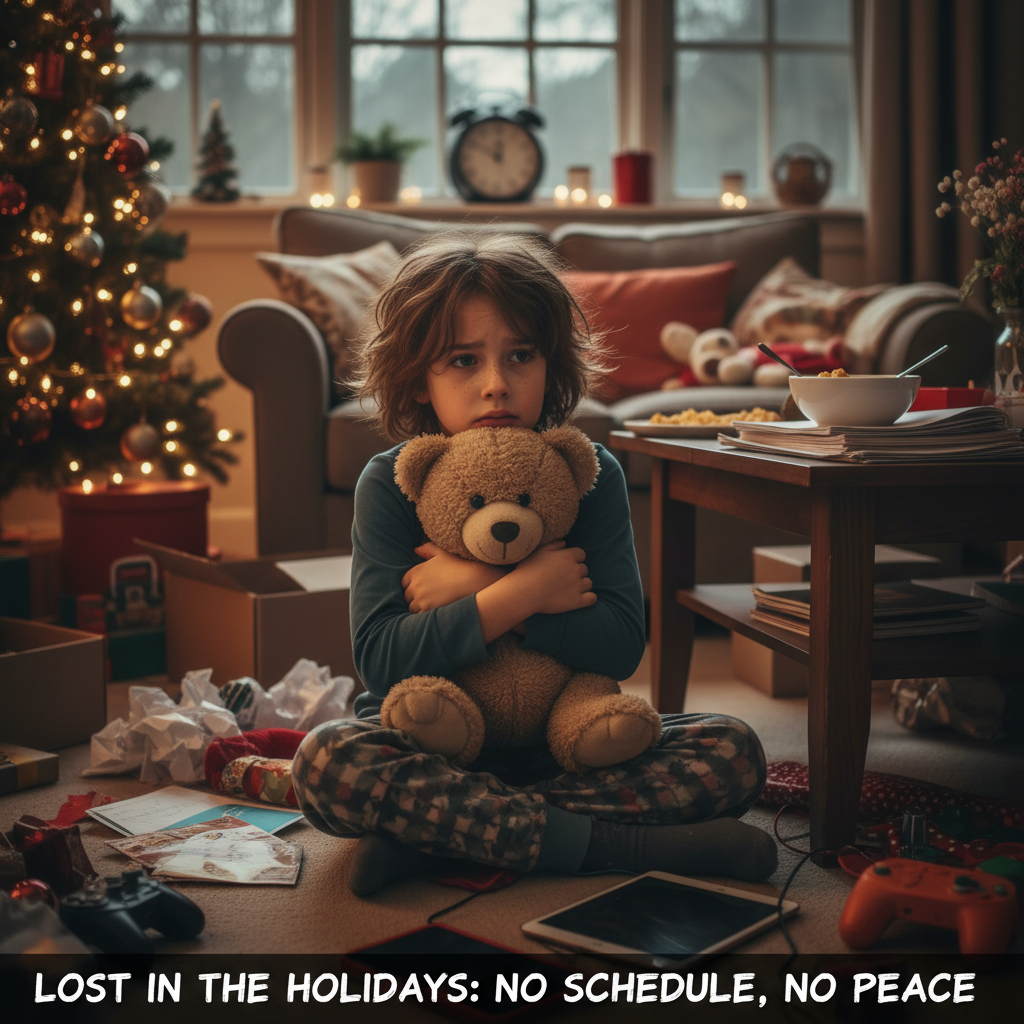
The festive season is often painted as a time of joy — full of lights, laughter, and celebration. But for many neurodivergent children, it can be an overwhelming blur of noise, colour, and change.
At Minariel Tutors, we know that behind every “merry” moment can sit a child quietly struggling with the sudden loss of routine, sensory overload, and social expectations that come with the holidays. While other families may be counting down the days with excitement, some parents are quietly preparing to navigate meltdowns, overstimulation, and anxiety.

The Hidden Challenges of Christmas
Understanding the specific challenges neurodivergent children face during the festive season is the first step to supporting them effectively.
1. Sensory Overload
Christmas lights that sparkle for some can flicker painfully for others. Crowded shopping trips, music, and unpredictable noises can quickly become too much. Many neurodivergent children — especially those with autism, ADHD, or sensory processing differences — experience heightened sensitivity to sound, touch, light, and smell.
Common sensory triggers during Christmas:
- Visual: Flashing lights, bright decorations, crowded shops
- Auditory: Loud music, party noise, fireworks, church bells
- Tactile: Scratchy festive jumpers, unexpected hugs, unfamiliar textures
- Olfactory: Strong perfumes, cooking smells, scented candles
- Gustatory: Pressure to try new foods at gatherings
Sensory fatigue can build up over consecutive days: even a child who manages a party well in the morning may become overwhelmed later in the day. Recognising these signs early — covering ears, withdrawing, or increased fidgeting — can help prevent full meltdowns.
For more on sensory processing, visit the National Autistic Society or ADHD Foundation.

2. Disrupted Routines
For children who thrive on predictability, school holidays can feel like freefall. Bedtimes shift, familiar teachers are gone, and every day looks different. Without their usual structure, many children feel disoriented or anxious.
Why routine matters for neurodivergent children:
- ADHD: Struggle to organise time independently without external structure
- Autism: Rely on predictable cues to navigate their day and feel safe
- Dyslexia/Dyspraxia: Benefit from consistent patterns to reduce cognitive load
Even small disruptions — a delayed breakfast, a late-morning outing, or a skipped homework session — can feel destabilising.
Signs of routine disruption:
- Increased anxiety or irritability
- Sleep difficulties
- Difficulty transitioning between activities
- More frequent meltdowns or shutdowns
- Regression in skills or behaviours
For more on supporting neurodivergent children with routine, read our blog: Why Behaviour Isn’t Always ‘Bad’.
3. Social Pressure
The festive season brings a wave of gatherings — extended family, parties, and expectations to “join in.” For some children, this social demand can be exhausting. Small talk, eye contact, and unfamiliar spaces can drain their emotional energy long before anyone else notices.
Social challenges during Christmas:
- Pressure to perform socially (greet relatives, make conversation)
- Forced physical contact (hugs, kisses from unfamiliar relatives)
- Unpredictable social situations
- Sensory overload combined with social demands
- Expectation to appear happy and grateful
Many neurodivergent children mask their discomfort, pretending to enjoy themselves to meet expectations. While masking may avoid conflict in the moment, it can lead to exhaustion, irritability, or shutdown later on. Recognising and supporting children who mask is key to helping them cope and recover.
For more on neurodivergent masking, read our blog: From Masking to Mastery or visit ADHD UK.
What Parents Can Do
Supporting neurodivergent children through the festive season requires understanding, preparation, and flexibility. Here are practical strategies:
Keep Familiar Anchors
Even during the holidays, a few stable touchpoints can make a huge difference — keeping regular mealtimes, quiet reading hours, or a predictable bedtime routine. Anchors don’t have to be strict; even small consistencies can reduce anxiety.
Examples of anchors:
- Same breakfast time and routine
- Regular quiet reading or screen time
- Consistent bedtime routine
- Familiar comfort items (toys, blankets, books)
- Daily check-ins about feelings
Why this works: Predictability creates a sense of safety and control, reducing anxiety and helping children regulate emotions.
Create a Calm Space
Designate a quiet area at home where your child can decompress — somewhere dimly lit, soft, and familiar. Encourage breaks during gatherings or activities, and remind them that stepping away is not “bad behaviour,” but self-care.
How to create a calm space:
- Choose a quiet corner or room
- Provide soft lighting (lamps, fairy lights on low setting)
- Include comfort items (weighted blankets, cushions, favourite toys)
- Offer sensory tools (noise-cancelling headphones, fidget toys)
- Make it accessible without asking permission
Key message: “You can go to your calm space whenever you need to. It’s always there for you.”
For more on sensory-friendly environments, visit Sensory Processing Disorder UK.

Prepare and Preview
Talk through upcoming events using visuals, simple explanations, or checklists. Knowing what’s coming — who’ll be there, what it will look like, and when they can return home — helps reduce uncertainty and prevent last-minute overwhelm.
How to prepare:
- Use visual schedules or calendars
- Show photos of venues or people they’ll meet
- Explain the sequence of events step-by-step
- Discuss sensory expectations (noise level, lighting, crowds)
- Agree on a “safe signal” if they need to leave
Example script: “Tomorrow we’re visiting Grandma’s house. We’ll arrive at 2pm. There will be about 10 people there. We’ll have tea and cake, then play games. If it feels too loud, you can go to the quiet room upstairs. We’ll leave at 5pm.”
Validate Their Feelings
Instead of saying “Don’t be upset,” try “I know this feels like a lot right now.” Acknowledging their emotions gives children permission to be themselves and helps reduce internalised pressure to conform.
Validating phrases:
- “It’s okay to feel overwhelmed”
- “I can see this is hard for you”
- “You don’t have to pretend to be happy”
- “It’s okay to need a break”
- “Your feelings are important”
Why this matters: Validation builds trust, reduces shame, and helps children develop emotional awareness and regulation skills.
For more on emotional regulation, read our blog: Why Neurodivergent Students Often Struggle with Confidence or visit Young Minds.
Redefine “Festive”
Not every child enjoys loud parties, music, or flashing lights — and that’s okay. Celebrate in ways that feel safe and genuine for your child, whether that’s watching a film together, crafting quietly, baking, or enjoying a walk in the winter air.
Alternative festive activities:
- Quiet baking or cooking together
- Nature walks or winter outdoor play
- Crafting or making decorations
- Watching favourite films
- Reading Christmas stories
- Playing board games
- Building with Lego or other quiet activities
Encouraging children to define their own festive experience helps them feel seen and respected.
Key message: “Christmas can look however feels right for you. There’s no wrong way to celebrate.”

Plan Recovery Time
Overstimulated children often need extended downtime after events. Build in quiet days after busier ones, allowing them to reset without additional demands. This helps prevent sensory and social fatigue from building up over the holiday season.
How to plan recovery:
- Schedule “nothing days” between events
- Allow extra sleep or late mornings
- Reduce demands and expectations
- Provide access to calm spaces and comfort activities
- Avoid back-to-back social events
Why this matters: Recovery time prevents burnout, reduces meltdowns, and helps children return to baseline regulation.
A Calmer Kind of Christmas
The holidays don’t have to be perfect — they just need to be peaceful. Sometimes the most meaningful moments are the quietest ones.
At Minariel Tutors, we believe every child deserves a season that feels safe, comforting, and joyful in their own way. Supporting neurodivergent children through the holidays means giving them permission to rest, retreat, and recharge — without guilt or pressure to fit in.
After all, Christmas is about connection, not conformity. By creating a supportive environment, recognising sensory needs, and validating emotional experiences, parents can help their children enjoy the festive season in a way that truly works for them.
Frequently Asked Questions
How can I help my neurodivergent child cope with Christmas sensory overload?
Strategies to reduce sensory overload:
- Create a quiet calm space at home
- Use noise-cancelling headphones or earplugs
- Dim bright lights or avoid flashing decorations
- Limit time in crowded spaces
- Offer sensory breaks during events
- Prepare and preview sensory expectations
Why does my autistic child struggle more during the Christmas holidays?
Autistic children often struggle because:
- School routines are disrupted
- Sensory input increases (lights, noise, crowds)
- Social demands and expectations rise
- Unpredictability and change increase anxiety
- Masking becomes more exhausting
How can I maintain routine during Christmas holidays?
Tips for maintaining routine:
- Keep consistent mealtimes and bedtimes
- Create a visual schedule for each day
- Include familiar activities (reading time, quiet play)
- Prepare children for changes in advance
- Build in predictable “anchor” activities
What if my child doesn’t want to participate in family gatherings?
It’s okay if your child needs to opt out. Prioritise their wellbeing over social expectations. Offer alternatives like:
- Attending for a shorter time
- Having a quiet space to retreat to
- Video calling instead of attending in person
- Celebrating in a different, calmer way
How do I explain my child’s needs to family members?
Communication tips:
- Explain sensory sensitivities and routine needs in advance
- Set boundaries around physical contact and social demands
- Educate family about neurodivergence
- Request accommodations (quiet space, shorter visits)
- Advocate for your child’s needs without apology
How can Minariel Tutors help during school holidays?
Minariel Tutors provides:
- 1-to-1 specialist tutoring to maintain routine and structure
- Calm, predictable learning sessions during holiday chaos
- Emotional support and understanding from neurodivergent tutors
- Flexible scheduling to fit around family commitments
Both our co-founders are neurodivergent — we understand the challenges of the festive season.
Supporting Your Child This Christmas
If your child struggles with sensory overload, disrupted routines, or social pressure during the festive season, you’re not alone.
At Minariel Tutors, we specialise in supporting neurodivergent children with ADHD, autism, dyslexia, and dyspraxia to feel safe, understood, and confident — even during challenging times.
How We Can Help:
- 1-to-1 specialist tutoring to maintain routine during school holidays
- Calm, sensory-friendly learning environment
- Understanding from neurodivergent tutors who’ve lived these experiences
- Flexible scheduling around family commitments
Both our co-founders are neurodivergent — we understand the hidden challenges of the festive season.
Book Your Free Consultation
Let’s discuss how we can support your child through the holidays and beyond.
Book Free Consultation | View Our Tutoring Services | Contact Us
Email:minarieltutors@gmail.com