Helping Neurodivergent GCSE Students Thrive Over the Christmas Break
For many neurodivergent GCSE students, the Christmas break can bring a mix of relief, freedom, and unexpected challenges. On one hand, stepping away from school can reduce the sensory and social overwhelm that builds up throughout term-time. On the other, the lack of routine, exam pressure, and executive function demands can make it hard to stay on track — especially for students with ADHD, autism, or both.
At Minariel Tutors, we know how nuanced this balance can be. The holidays are a time to recharge, but without gentle support, students can easily slip into anxiety, fatigue, or overcompensation. It’s also a period when emotional regulation, social fatigue, and exam-related stress can become heightened — even in the calm of home.

Shannon’s Experience: Finding Balance as an Autistic and ADHD Student
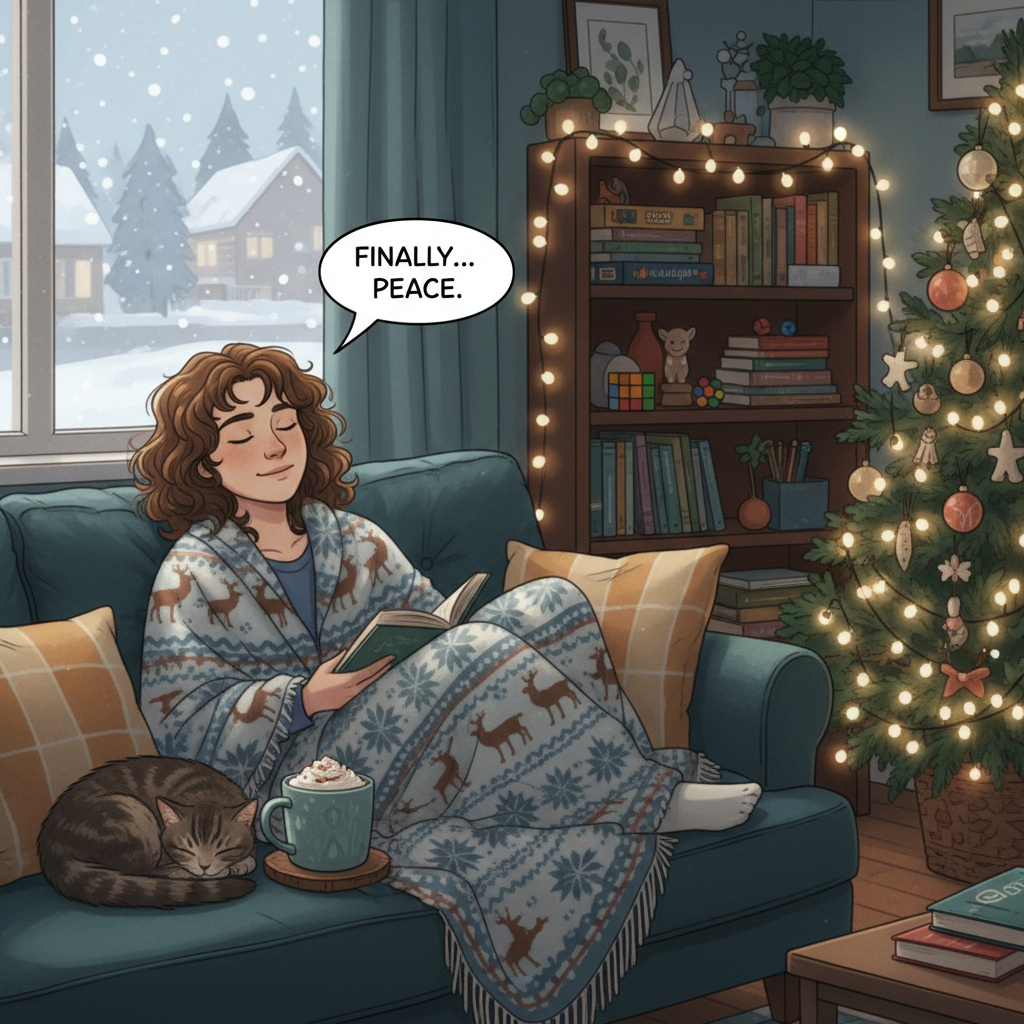
As someone who is autistic, I remember feeling an enormous sense of relief when school finished. For years, classrooms had been overwhelming: the noise, the lights, the constant social interaction, and the pressure to mask my differences. Over the break, I could finally breathe, focus on my studies in a calm environment, and take time for myself without judgment.
But ADHD made maintaining a productive routine a challenge. My brain craved stimulation, and without structure, it was easy to lose focus. I had to overcompensate with timetables, use the Pomodoro technique to break study into manageable chunks, and schedule regular breaks. Most importantly, I learned the value of recharging with hobbies — quiet time reading, creative projects, or a simple walk outside — to restore focus and energy.
The break also highlighted the importance of managing emotional energy. Even in the calm of home, exam worries or changes to routine could feel overwhelming. Structuring time for reflection, journaling, or mindful hobbies helped me stay grounded and approach revision without burnout.
Key lessons from my experience:
- Relief from school doesn’t automatically mean productivity
- Structure needs to be flexible, not rigid
- Hobbies and self-care are essential, not optional
- Emotional regulation requires active support
- Small wins matter more than perfection
Challenges for Neurodivergent GCSE Students During Christmas Break
Understanding the specific challenges helps parents and students prepare effectively:
1. Routine Disruption
The absence of school structure can make mornings, study sessions, and sleep patterns unpredictable. Even small shifts in wake-up times or mealtimes can affect focus, energy, and mood.
Why routine matters for neurodivergent GCSE students:
- ADHD: External structure compensates for executive function challenges
- Autism: Predictable patterns reduce anxiety and support regulation
- Both: Routine provides a sense of control during uncertain times
Signs of routine disruption:
- Difficulty waking up or going to bed
- Increased procrastination
- Heightened anxiety or irritability
- Difficulty initiating tasks
- Feeling “lost” or directionless
For more on routine and neurodivergent students, read our blog: When the World Gets Too Bright: Supporting Neurodivergent Children Through the Festive Season.Challenges for Neurodivergent GCSE Students During Christmas Break
Understanding the specific challenges helps parents and students prepare effectively:
1. Routine Disruption
The absence of school structure can make mornings, study sessions, and sleep patterns unpredictable. Even small shifts in wake-up times or mealtimes can affect focus, energy, and mood.
Why routine matters for neurodivergent GCSE students:
- ADHD: External structure compensates for executive function challenges
- Autism: Predictable patterns reduce anxiety and support regulation
- Both: Routine provides a sense of control during uncertain times
Signs of routine disruption:
- Difficulty waking up or going to bed
- Increased procrastination
- Heightened anxiety or irritability
- Difficulty initiating tasks
- Feeling “lost” or directionless
For more on routine and neurodivergent students, read our blog: When the World Gets Too Bright: Supporting Neurodivergent Children Through the Festive Season.

2. Executive Function Demands
Planning revision, prioritising tasks, and sticking to a schedule can feel overwhelming. Students with ADHD may struggle to self-initiate, while students with autism may find decision-making around what to revise particularly stressful.
Common executive function challenges:
- Initiation: Starting revision without external prompts
- Planning: Breaking large topics into manageable chunks
- Prioritisation: Deciding which subjects need most attention
- Time management: Estimating how long tasks will take
- Task switching: Moving between subjects or activities
- Organisation: Keeping notes, materials, and schedules in order
Impact on GCSE revision:
- Feeling paralysed by the size of the task
- Spending hours planning but not studying
- Jumping between topics without depth
- Missing important revision areas
- Burnout from poor time management
For more on executive function support, visit the ADHD Foundation or National Autistic Society.
3. Stress and Anxiety
The pressure of upcoming exams combined with a change in environment can trigger worry or low mood. Even with a quiet home environment, the looming uncertainty of assessments can be exhausting.
Sources of exam anxiety:
- Fear of failure or disappointing others
- Uncertainty about performance
- Comparison to peers
- Pressure to achieve specific grades
- Perfectionism and high self-expectations
How anxiety affects revision:
- Avoidance and procrastination
- Difficulty concentrating
- Physical symptoms (headaches, stomach aches, fatigue)
- Sleep disruption
- Emotional dysregulation
For more on neurodivergent anxiety, visit Young Minds or Anxiety UK.
4. Sensory and Social Factors
Sensory sensitivities or family dynamics at home can subtly add stress. Long periods of study or family gatherings may fatigue neurodivergent students more than expected, and masking discomfort can deplete emotional energy.
Hidden challenges at home:
- Noise from siblings or family activities
- Lack of private, quiet study space
- Pressure to participate in festive events
- Sensory overload from decorations, music, cooking
- Social fatigue from extended family visits
- Masking to appear “fine” or “festive”
Impact on revision:
- Reduced capacity for focus
- Need for more recovery time
- Emotional exhaustion
- Difficulty regulating emotions
- Increased meltdowns or shutdowns
For more on masking, read our blog: From Masking to Mastery.
Practical Strategies for Parents and Students
Here are evidence-based, neurodivergent-friendly strategies to support GCSE revision during the Christmas break:
1. Maintain a Gentle Routine
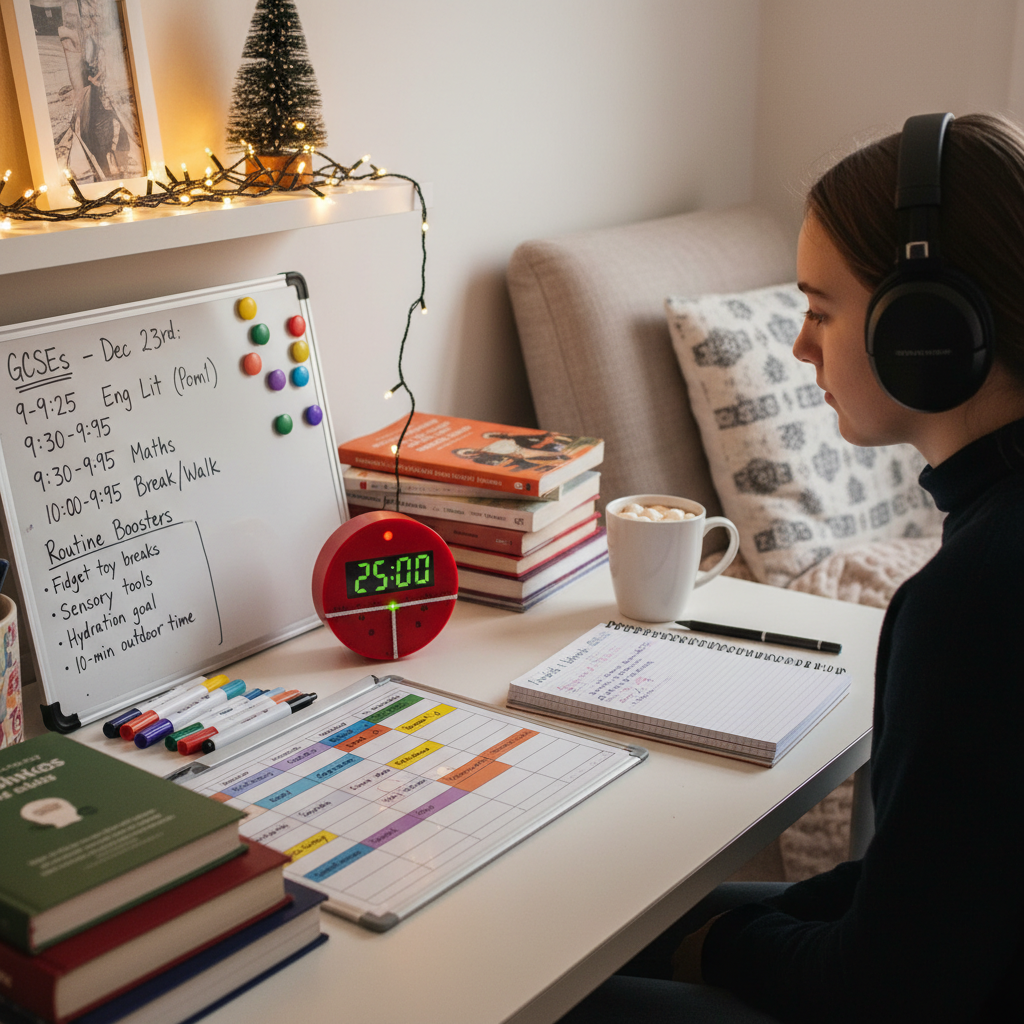
Create a flexible timetable that balances revision, breaks, and hobbies.
How to build a gentle routine:
- Set consistent wake-up and bedtimes (within 1-hour flexibility)
- Schedule 2-3 revision sessions per day (not all day)
- Include regular mealtimes
- Build in hobby/self-care time
- Use visual schedules or planners for clarity
- Allow for spontaneity and rest days
Example daily structure:
- 9:00am: Wake up, breakfast
- 10:00am: Revision session 1 (Pomodoro)
- 11:30am: Break/hobby
- 12:30pm: Lunch
- 1:30pm: Revision session 2 (Pomodoro)
- 3:00pm: Physical activity/outdoor time
- 4:00pm: Free time/hobbies
- 6:00pm: Dinner
- 7:00pm: Optional light revision or relaxation
- 9:00pm: Wind-down routine
- 10:00pm: Bedtime
Key principle: Structure provides safety; flexibility prevents burnout.
2. Break Tasks Into Chunks
Techniques like Pomodoro — 25–30 minutes of focused work followed by a short break — can help sustain attention.
Why Pomodoro works for neurodivergent students:
- Reduces overwhelm by limiting time commitment
- Provides clear start and end points
- Builds in regular breaks for regulation
- Creates sense of achievement with each session
- Prevents hyperfocus burnout
How to use Pomodoro for GCSE revision:
- Choose one specific topic or task
- Set timer for 25-30 minutes
- Work with full focus (no phone, no distractions)
- Take 5-minute break when timer ends
- Repeat 3-4 times, then take longer 15-30 minute break
For students with dyslexia or ADHD, shorter sessions (15-20 minutes) often lead to better retention and reduced overwhelm.
Tools to try:
- Physical timer or phone timer
- Pomodoro apps (Forest, Focus Keeper)
- Visual timers (Time Timer)
For more on focus strategies, visit ADDitude Magazine.

3. Recharge With Hobbies
Encourage activities that bring joy and calm — art, music, reading, gaming, or physical exercise.
Why hobbies are essential, not optional:
- Restore dopamine and motivation (especially for ADHD)
- Reduce cortisol and anxiety
- Provide sensory regulation
- Support emotional processing
- Prevent burnout and resentment towards studying
Recharging isn’t a break from productivity — it’s an essential part of learning sustainably.
Hobby ideas for neurodivergent students:
- Creative: Drawing, painting, crafting, music
- Physical: Walking, dancing, yoga, swimming
- Quiet: Reading, puzzles, journaling
- Social (low-demand): Gaming with friends online, watching films
- Sensory: Baking, gardening, listening to music
Key message: “Your hobbies help your brain learn better. They’re part of your revision plan, not a distraction from it.”
4. Create a Low-Stress Study Space
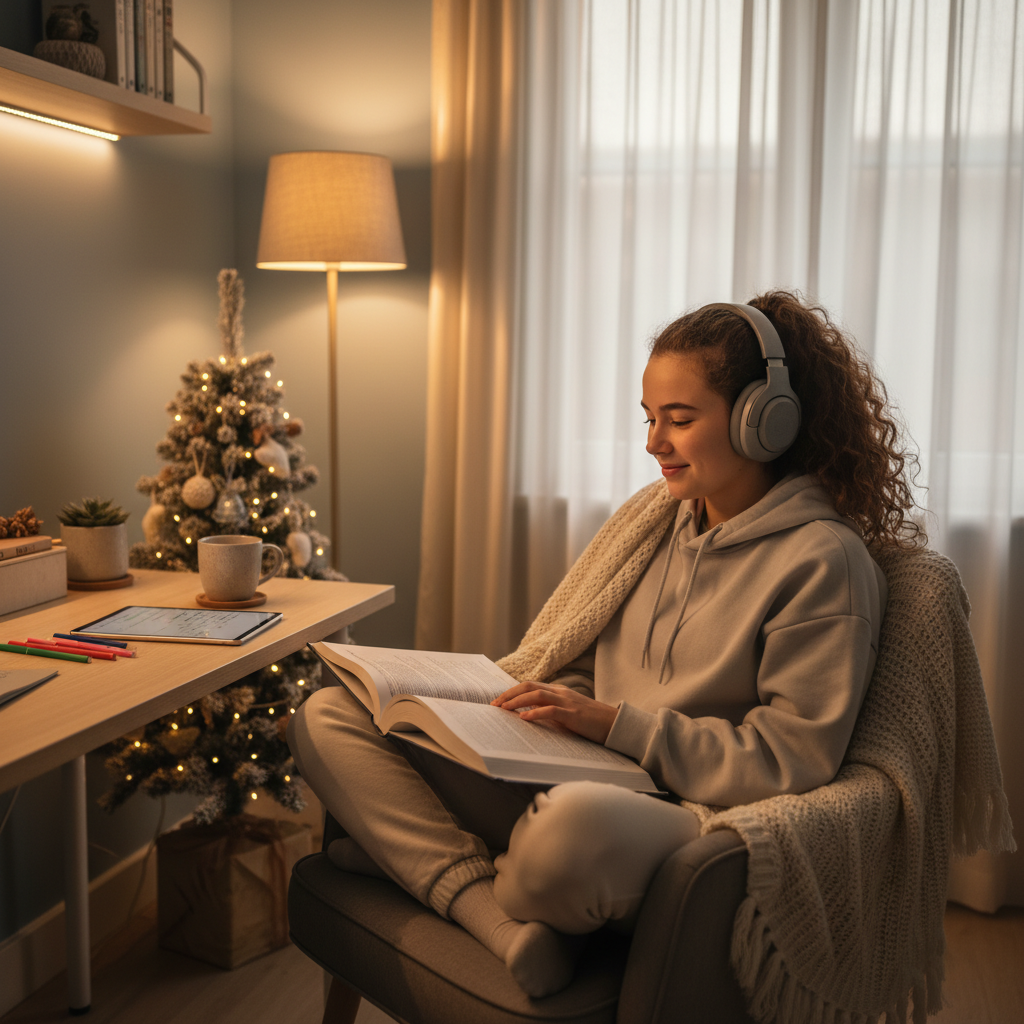
Minimise distractions: lighting, noise, and clutter can affect focus.
How to create a sensory-friendly study space:
- Lighting: Natural light or soft lamps (avoid harsh overhead lights)
- Noise: Quiet room, noise-cancelling headphones, or white noise
- Seating: Comfortable chair or alternative seating (bean bag, standing desk)
- Organisation: Clear desk with only current materials
- Sensory supports: Fidget toys, weighted lap pad, favourite cushion
- Visual calm: Minimal decorations, neutral colours
Consider sensory supports like:
- Noise-cancelling headphones
- Soft lighting or dimmer switches
- Comfortable seating
- Fidget tools (stress balls, fidget spinners)
- Temperature control (fan, blanket)
For more on sensory-friendly environments, visit Sensory Processing Disorder UK.
5. Support Emotional Energy
Include reflective activities: journaling, drawing, or mindful breathing.
Why emotional regulation matters for revision:
- Anxiety blocks memory and learning
- Emotional exhaustion reduces cognitive capacity
- Unprocessed feelings lead to avoidance
- Regulation supports sustained focus
Emotional support strategies:
- Journaling: Write about worries, feelings, or daily reflections
- Mindful breathing: 5-minute breathing exercises before study
- Movement: Physical activity to release tension
- Creative expression: Art, music, or writing for emotional processing
- Open conversations: Talk about exam worries without judgment
Acknowledge exam-related worry and help students break it down into manageable steps.
Example conversation:
- Parent: “What’s worrying you most about exams?”
- Student: “I’m scared I’ll forget everything.”
- Parent: “That sounds really stressful. Let’s break it down. Which subject feels hardest to remember?”
- [Work together to create specific, small revision goals]
For more on emotional regulation, visit Young Minds.
6. Focus on Small Wins
Celebrate progress, not perfection. Completing one Pomodoro session or finishing a single task is meaningful.
Why small wins matter:
- Build momentum and motivation
- Reduce perfectionism and anxiety
- Create positive associations with studying
- Support growth mindset
- Recognise effort, not just outcomes
How to celebrate small wins:
- Tick off completed Pomodoro sessions
- Use stickers or visual trackers
- Verbal praise: “You focused really well today”
- Reflect on what went well, not just what’s left
- Share achievements with family
Reflect on achievements and strengths, not just exam grades.
For more on building confidence, read our blog: Why Neurodivergent Students Often Struggle with Confidence.
The Minariel Tutors Approach
At Minariel Tutors, we believe the Christmas break should be about balance. Neurodivergent students need a chance to recover from school’s sensory and social demands while also maintaining enough structure to feel confident heading into exams.
By combining flexible routines, effective focus strategies, emotional support, and self-care, students can use the break to recharge, consolidate learning, and return in January feeling calmer, more focused, and in tune with their own way of learning.
The goal isn’t perfection or constant productivity — it’s sustainable learning, emotional wellbeing, and helping students recognise their own strengths, even during the busiest time of year.
Frequently Asked Questions
How much should my neurodivergent GCSE student revise during Christmas break?
Quality over quantity. Aim for 2-3 focused Pomodoro sessions per day (1.5-2.5 hours total) rather than all-day studying. This prevents burnout while maintaining momentum.
My ADHD child can’t stick to a revision timetable. What should I do?
Make it flexible and visual. Use a whiteboard or planner with moveable tasks. Focus on time blocks (morning/afternoon) rather than rigid hourly schedules. Celebrate any completed session.
How can I help my autistic child manage exam anxiety?
Break worries into specific, manageable steps. Use break worries into specific, manageable steps. Use visual checklists, talk through what to expect, and validate their feelings. Encourage journaling or drawing to process emotions. Consider specialist tutoring support for academic confidence.
Should my child take days off from revision during Christmas?
Yes, absolutely. Rest days are essential for consolidation and emotional regulation. Aim for at least 2-3 full rest days during the break, plus Christmas Day and Boxing Day. Recovery prevents burnout.
What if my child is overwhelmed by how much they need to revise?
Start small. Choose one subject and one topic for the first session. Use Pomodoro to make it time-limited. Focus on progress, not perfection. Break the break into weekly goals rather than trying to plan everything at once.
How can I support my child’s executive function during the holidays?
Provide external structure:
- Create visual timetables together
- Use timers for Pomodoro sessions
- Break tasks into small, specific steps
- Offer gentle reminders without nagging
- Celebrate task initiation, not just completion
My child masks at school but struggles at home during holidays. Why?
Masking is exhausting. Home is where they feel safe enough to unmask, which can lead to emotional release, fatigue, or meltdowns. This is healthy and necessary. Provide calm spaces, validate feelings, and allow recovery time.
How can Minariel Tutors help during Christmas break?
Minariel Tutors provides:
- 1-to-1 GCSE specialist tutoring tailored to neurodivergent learning styles
- Structured revision sessions to maintain routine without overwhelm
- Executive function support (planning, prioritising, task breakdown)
- Emotional support from neurodivergent tutors who understand the challenges
- Flexible scheduling around family commitments
Both our co-founders are neurodivergent — we’ve lived the GCSE revision experience and know what works.
Supporting Your GCSE Student This Christmas
If your neurodivergent GCSE student is struggling to balance rest and revision, routine and flexibility, or anxiety and productivity during the Christmas break, you’re not alone.
At Minariel Tutors, we specialise in supporting neurodivergent GCSE students with ADHD, autism, dyslexia, and dyspraxia to revise effectively, manage exam anxiety, and build confidence — all while protecting their wellbeing.
How We Support GCSE Students:
- 1-to-1 specialist GCSE tutoring in all subjects
- Neurodivergent-friendly revision strategies (Pomodoro, visual planning, chunking)
- Executive function coaching (planning, prioritisation, time management)
- Exam anxiety support and emotional regulation strategies
- Flexible scheduling during school holidays
- Low-stress, sensory-friendly learning environment
Both our co-founders are neurodivergent — Shannon is autistic and has ADHD, and understands the unique challenges of GCSE revision during the holidays.
Book Your Free Consultation Today
Let’s discuss how we can support your child’s GCSE revision and wellbeing this Christmas break.
Book Free Consultation | View Our GCSE Tutoring Services | Contact Us
Email:minarieltutors@gmail.com