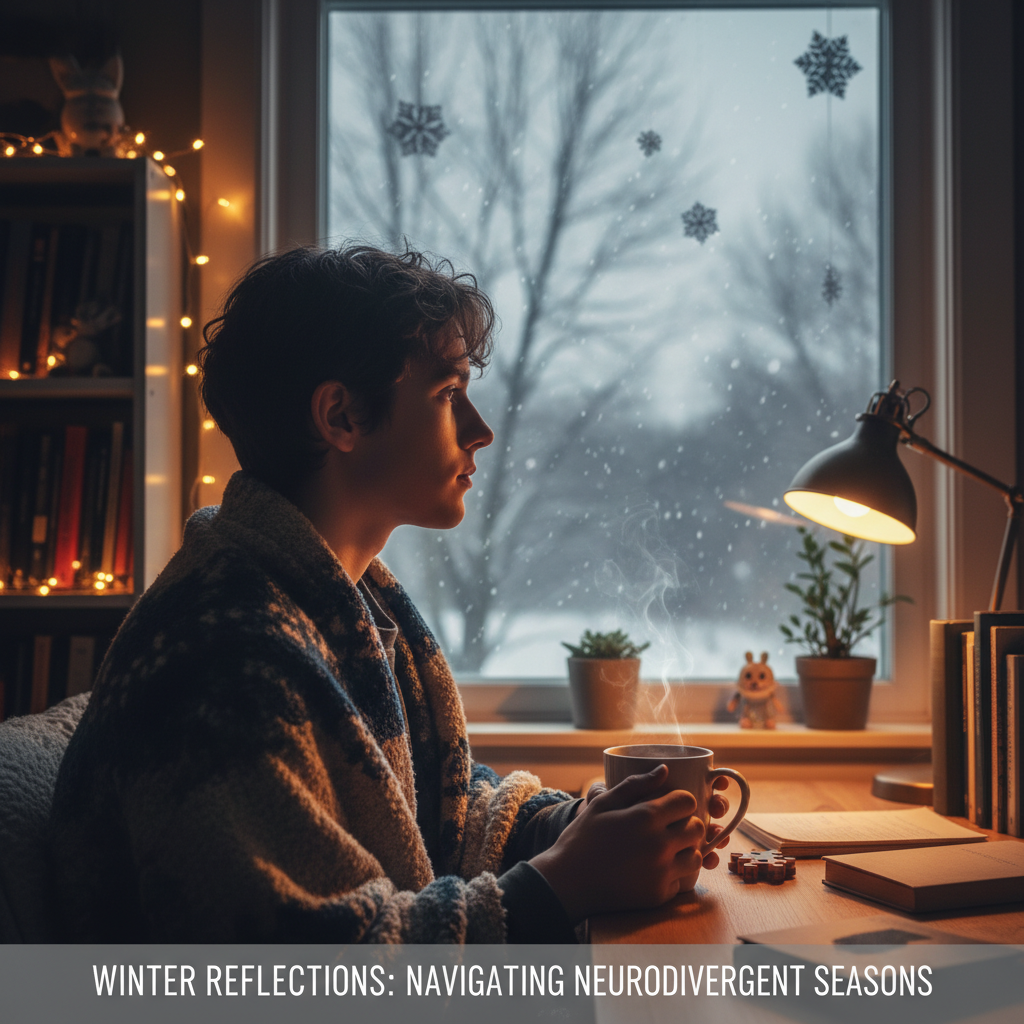
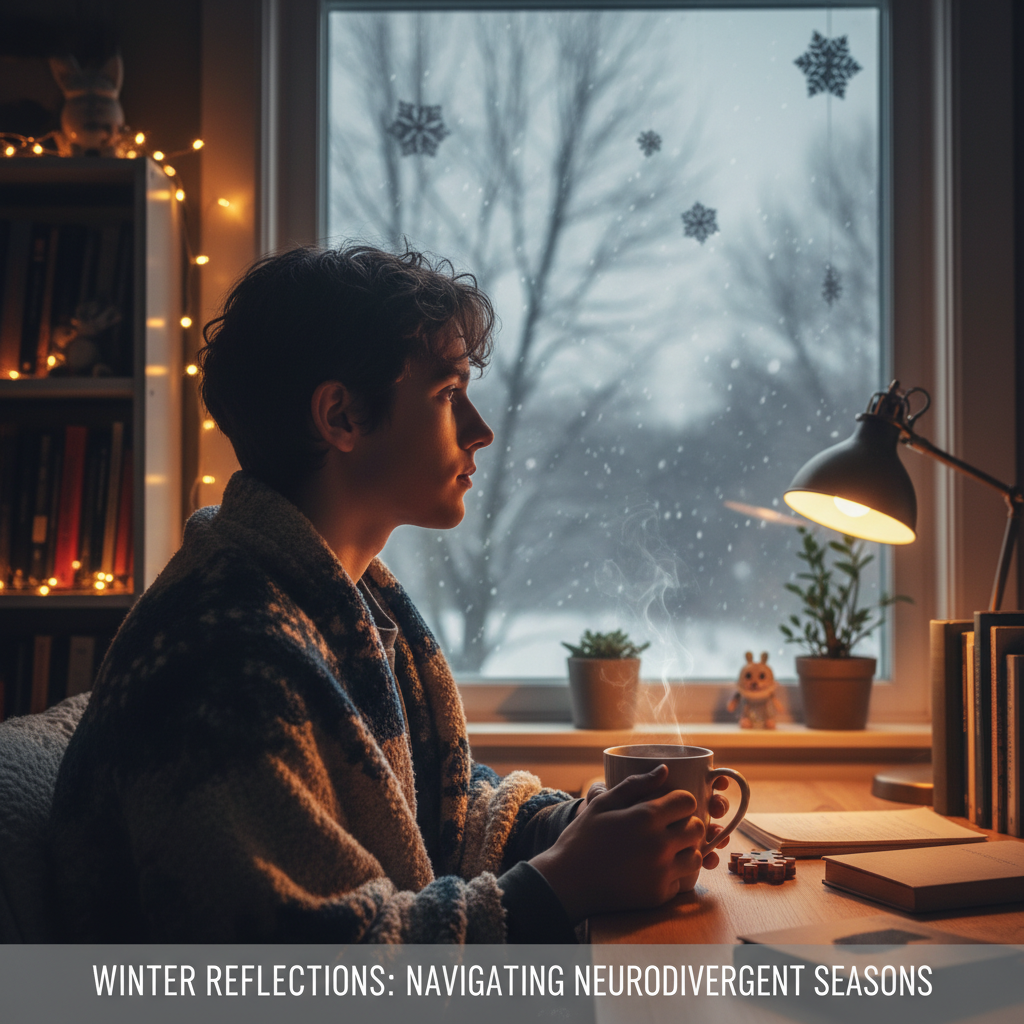
When the Days Get Darker: How Winter Affects Neurodivergent Minds
As the clocks go back and the light fades earlier each day, many people find themselves feeling more tired, sluggish, or low in mood. But for neurodivergent individuals — those with autism, ADHD, dyslexia, dyspraxia and other forms of neurodiversity — the shift into winter can feel more than just “a bit gloomy.” It can completely change the way the brain functions, learns, and copes.
At Minariel Tutors, we’ve noticed how winter can quietly magnify hidden struggles. What looks like a loss of focus, increased anxiety, or low motivation might actually be the brain responding to darker days, disrupted routines, and overstimulation.
In this guide, we explore how winter affects neurodivergent minds — and share practical, compassionate strategies to help students thrive during the darker months.
The Sensory Shift
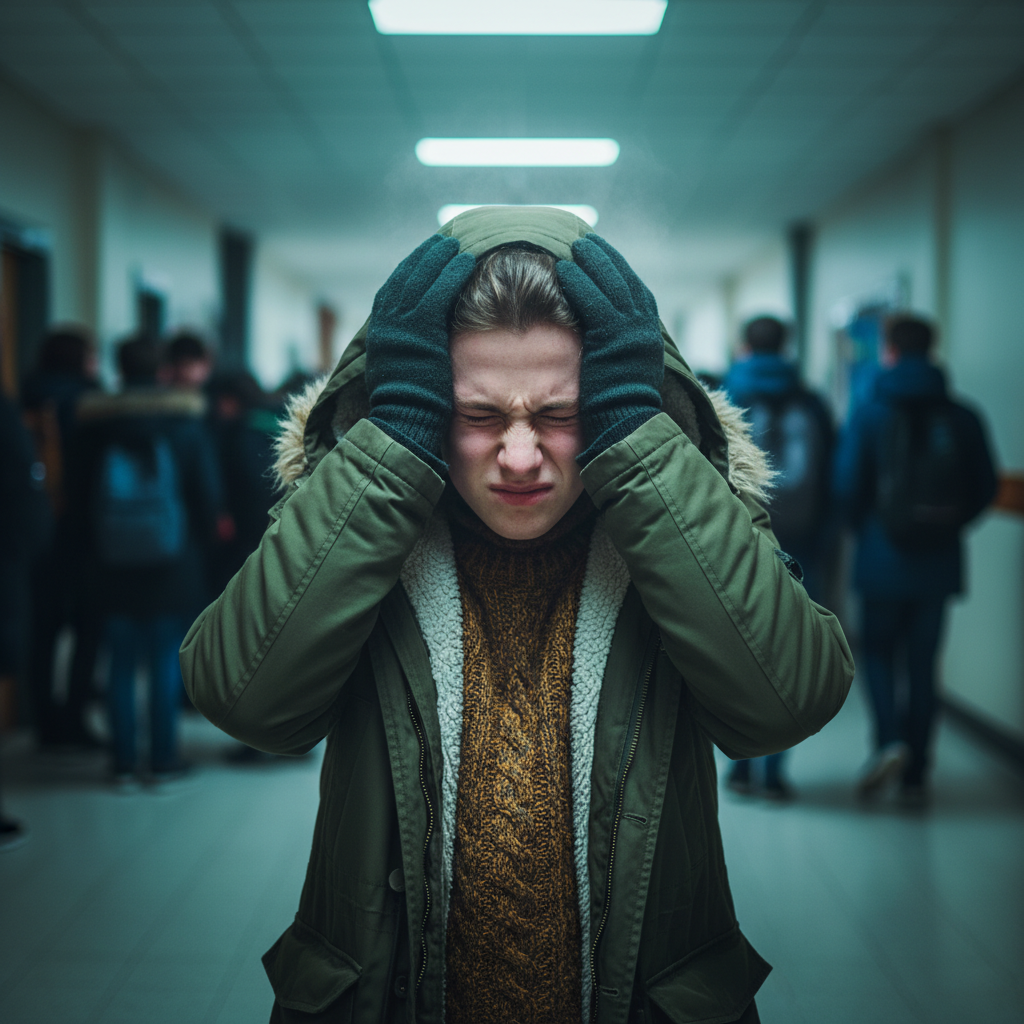
For autistic individuals, every season brings a new sensory landscape — but winter is especially intense. The natural daylight that helps regulate mood and sensory balance disappears, replaced by harsh fluorescent lights and cold, unpredictable air.
Winter sensory challenges include:
- Heavy coats and scratchy jumpers triggering tactile discomfort
- Rain, wind, and cold air causing sensory overwhelm
- Constant hum of indoor heating creating background noise
- Harsh fluorescent lighting in schools and workplaces
- Crowded indoor spaces with less outdoor escape
- Wet socks, damp clothing causing persistent discomfort
Even small changes — the flicker of a classroom light, the chill of wet socks, the crowded bustle of school corridors — can build up to overwhelm.
Many autistic students describe winter as feeling “too loud,” even when it’s quiet. The body is constantly adjusting to discomforts that others might not notice — and that invisible effort is exhausting.
Why this happens:
- Sensory processing differences mean autistic brains process sensory input differently
- Winter brings more layers, more textures, more unpredictability
- Reduced natural light disrupts circadian rhythms and sensory regulation
- Indoor environments are often more sensorily intense than outdoor spaces
For more information on autism and sensory processing, visit the National Autistic Society.
The ADHD Energy Crash
For students with ADHD, the dark months can feel like hitting an invisible wall. When sunlight decreases, so do dopamine and serotonin — the brain chemicals that help with focus, motivation, and emotional regulation.
How winter affects ADHD brains:
- Reduced dopamine makes tasks feel harder to start
- Lower serotonin impacts mood and emotional regulation
- Less natural light disrupts sleep-wake cycles
- Decreased outdoor activity reduces physical stimulation
- Shorter days mean less natural energy and alertness
Suddenly, everything feels harder: getting started on tasks, staying engaged, or even feeling “awake.” The ADHD brain thrives on stimulation and novelty, and winter offers less of both. With less daylight and movement, hyperactivity can turn inward — into restlessness, irritability, or frustration.
This isn’t laziness or lack of discipline. It’s neurological. The ADHD brain is built to seek stimulation, and when that’s missing, energy and confidence can plummet.
Common winter ADHD symptoms:
- Extreme fatigue and difficulty waking up
- Increased procrastination and task avoidance
- Emotional dysregulation and irritability
- Difficulty concentrating and staying focused
- Increased impulsivity or restlessness
- Loss of motivation and interest in activities
For support and resources, visit ADHD UK or the ADHD Foundation.
The Weight of SAD and Emotional Regulation
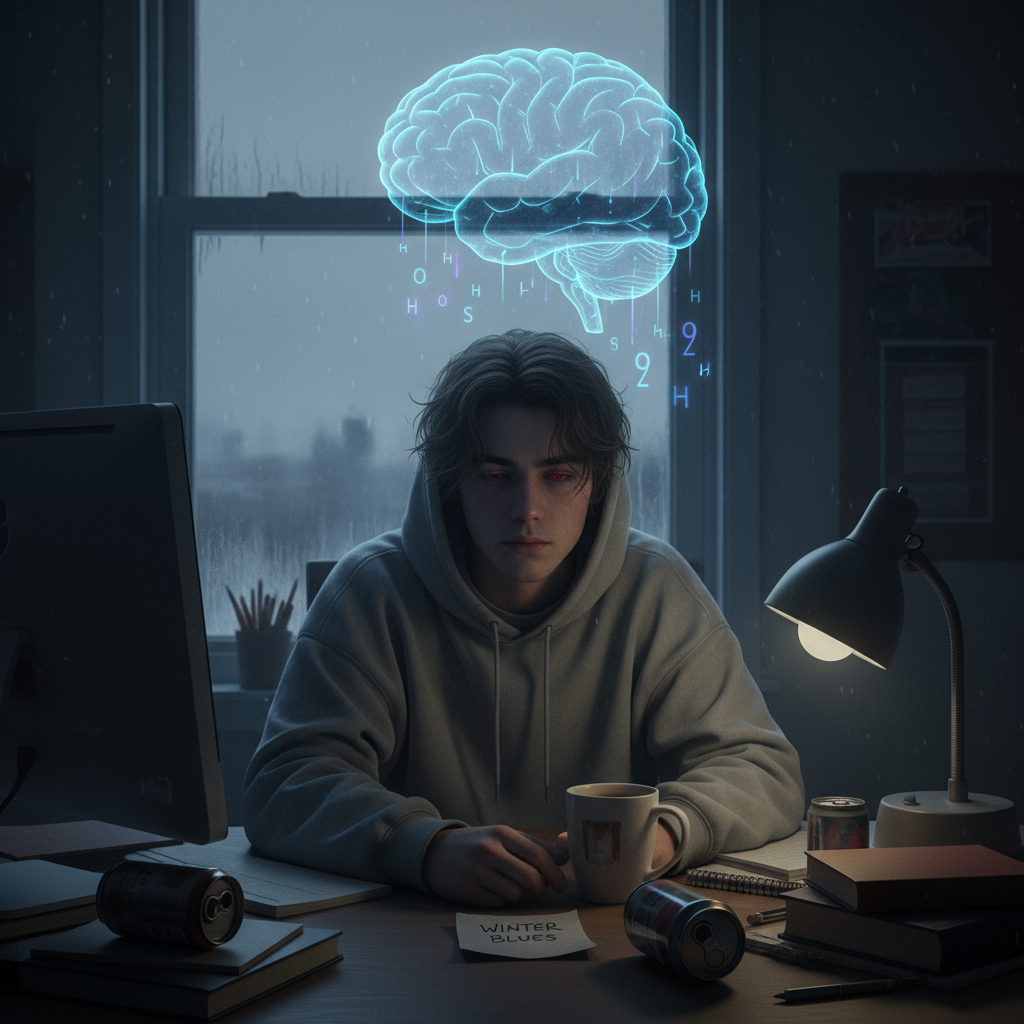
Seasonal Affective Disorder (SAD) — a type of depression linked to reduced daylight — can disproportionately affect neurodivergent individuals. Many already experience challenges with emotional regulation, and SAD can intensify these difficulties, leading to feelings of sadness, detachment, or burnout.
SAD in neurodivergent individuals:
- Higher prevalence among autistic and ADHD populations
- Different presentation — may not look like “classic” depression
- Compounded by existing challenges with emotional regulation
- Often under-diagnosed in neurodivergent people
For autistic and ADHD students, SAD doesn’t always show up as “depression” in the classic sense. It might look like:
- Withdrawal from social activities and relationships
- Irritability and emotional outbursts
- Shutdowns or meltdowns becoming more frequent
- Difficulty focusing or “brain fog”
- Physical fatigue and heaviness
- Loss of interest in previously enjoyed activities
Some students report feeling “foggy,” while others describe winter as a constant emotional heaviness they can’t explain.
Understanding SAD:
- Caused by reduced sunlight affecting serotonin and melatonin levels
- Typically begins in autumn/winter and improves in spring
- Can be treated with light therapy, vitamin D, exercise, and therapy
- Not a sign of weakness or personal failure
For more information on SAD, visit Mind UK or NHS SAD guidance.
Isolation and Social Exhaustion
Social life also changes in winter. For autistic individuals, the shorter days and colder weather often mean fewer opportunities for structured social interaction — and that can be both a relief and a challenge.
Winter social challenges:
- Fewer outdoor activities and natural social opportunities
- More indoor gatherings which can be sensorily overwhelming
- Holiday social pressure and expectations
- Increased masking in social settings
- Reduced alone time during family-heavy periods
Isolation can creep in quietly. While alone time can be restorative, too much can heighten anxiety or loneliness. And for those who continue to mask in social settings — pretending to be “fine,” “chatty,” or “normal” — winter can make that act feel heavier.
University and school can feel especially draining during this season. The pressure to keep up socially, academically, and emotionally — while already navigating sensory overload — can lead to burnout before the holidays even arrive.
Balancing social needs:
- Recognize that social energy is limited in winter
- Plan structured, low-pressure social activities
- Allow for recovery time after social events
- Communicate needs clearly to friends and family
- It’s okay to say no to social obligations
For support with autistic masking and burnout, visit the National Autistic Society resources.
Why This Matters
When neurodivergent students understand why they feel different in winter — that it’s not their fault, but a natural response to environmental and neurological changes — they can approach themselves with more compassion.
Key insights:
- Winter changes are neurological, not personal failings
- Reduced light affects brain chemistry (dopamine, serotonin, melatonin)
- Sensory environments shift dramatically in winter
- Energy levels naturally decrease — this is normal
- Support needs increase during darker months
Supporting them through this season isn’t just about more sunlight or better grades. It’s about building the emotional and sensory scaffolding they need to feel safe, focused, and seen.
Supporting Neurodivergent Students This Winter
Here are some gentle, practical ways to help:
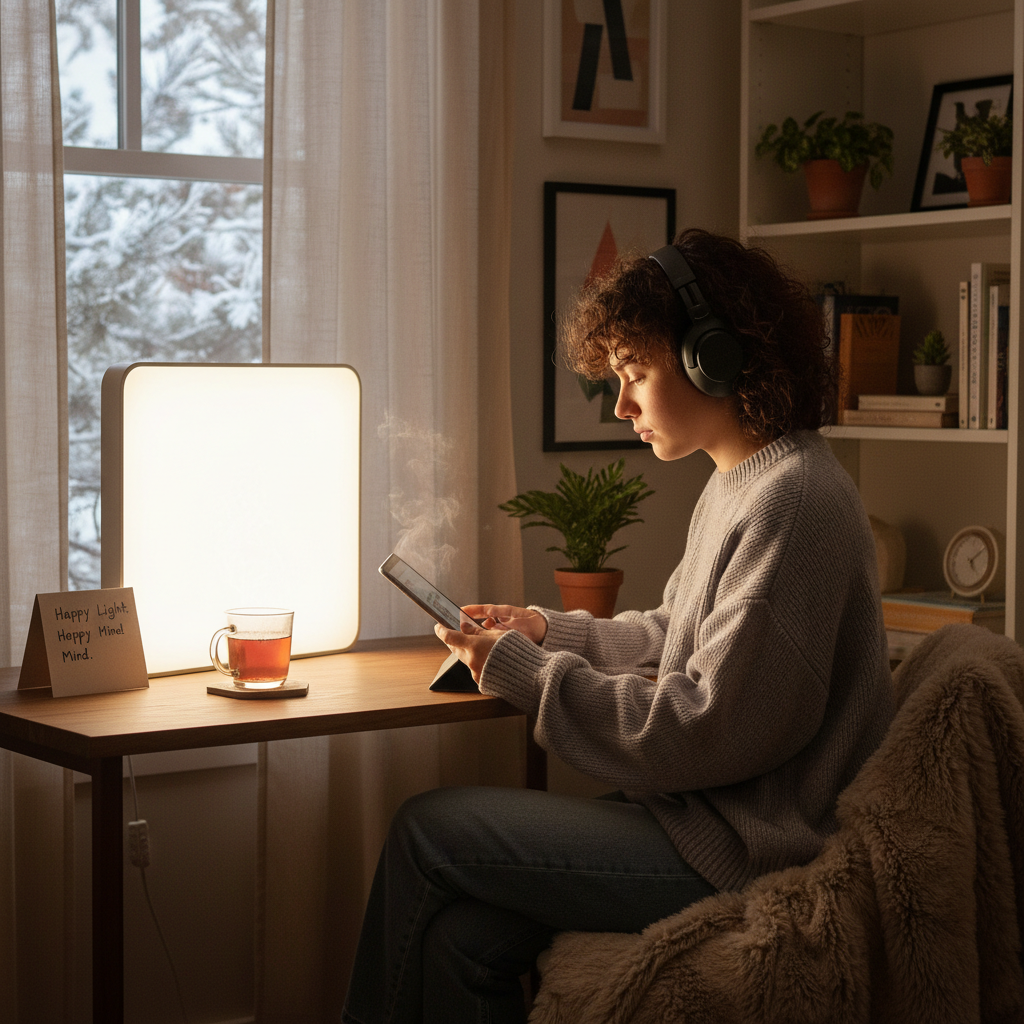
1. Light Therapy and Daylight
- Encourage morning walks to get natural light exposure
- Open blinds early to maximize daylight in the home
- Try a daylight lamp (10,000 lux) for 20-30 minutes each morning
- Sit near windows during study or work time
Why it works: Light therapy helps regulate circadian rhythms, serotonin, and melatonin production.
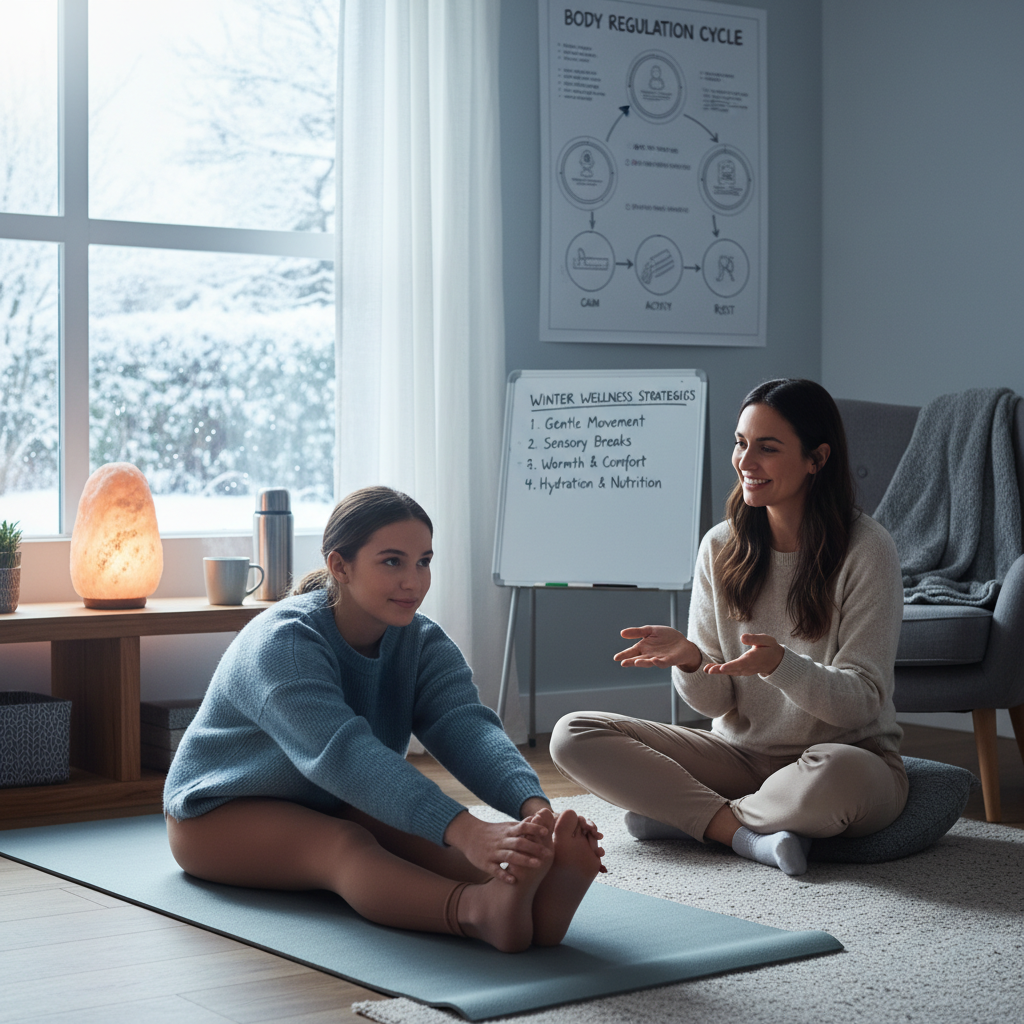
2. Movement Breaks
- The body regulates the brain — physical movement helps focus
- Short bursts of stretching, dancing, or going outdoors can reignite energy
- Indoor exercise (yoga, jumping jacks, dancing) when outdoor activity isn’t possible
- Movement breaks during study sessions (every 20-30 minutes)
Why it works: Exercise increases dopamine and serotonin, improving mood and focus.
3. Consistent Routine
- Predictability is grounding for neurodivergent minds
- Keep wake-up, study, and sleep times steady, even during holidays
- Visual schedules help maintain structure
- Prepare for transitions (e.g., back to school after holidays)
Why it works: Routine reduces cognitive load and anxiety, freeing up mental energy for learning.
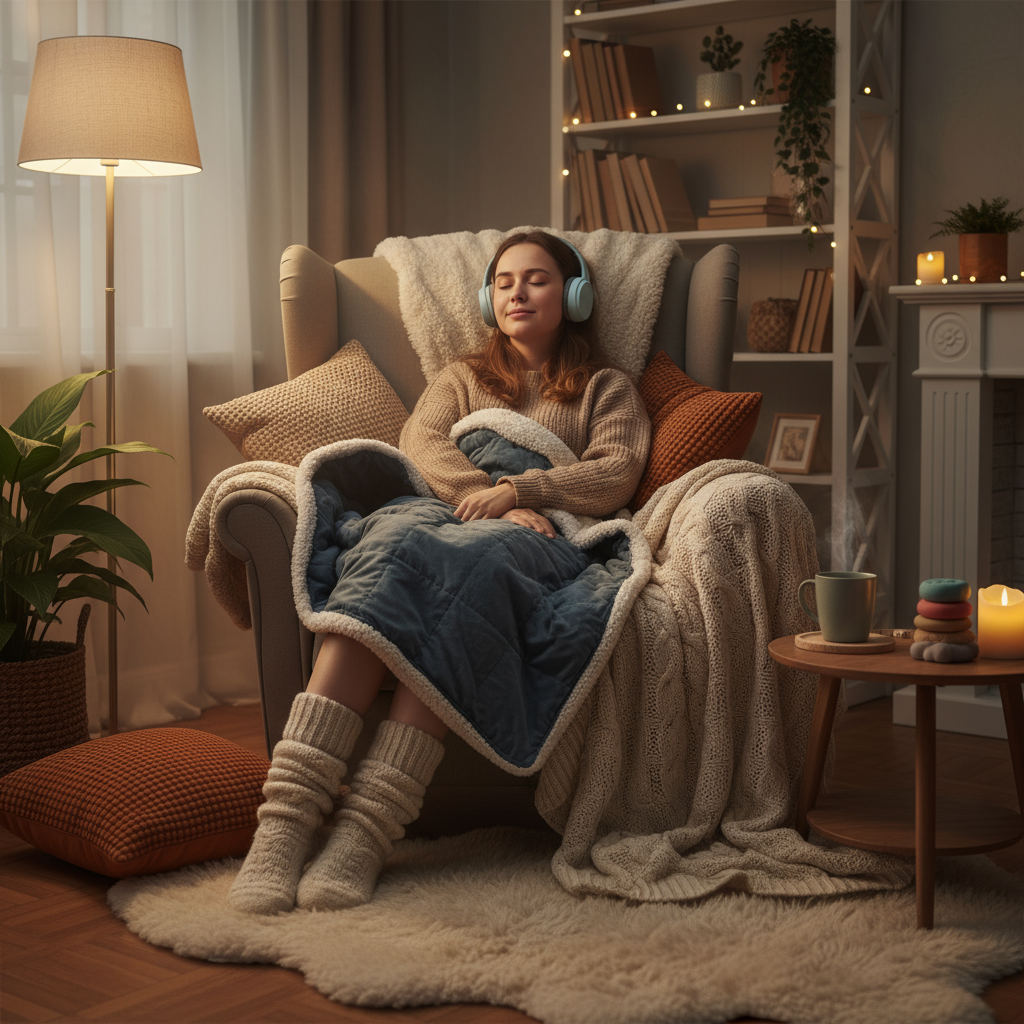
4. Sensory Comfort
- Weighted blankets for calming deep pressure
- Soft textures and comfortable clothing
- Warm lighting (avoid harsh fluorescents)
- Quiet spaces for decompression
- Noise-cancelling headphones for overstimulating environments
Why it works: Sensory regulation supports emotional regulation and focus.
5. Reduce Expectations
- This isn’t the time to overload students
- Honour slower energy levels
- Focus on essential tasks only
- Celebrate small wins and progress
- Adjust academic goals to match winter capacity
Why it works: Reducing pressure prevents burnout and preserves mental health.
6. Check In Emotionally
- “You seem a bit low lately — is winter hard for you?”
- Small questions open big doors
- Validate feelings without trying to “fix” them
- Normalize winter struggles — it’s not weakness
- Offer support without judgment
Why it works: Emotional validation builds trust, safety, and self-compassion.
7. Encourage Connection
- Even a short, structured social activity can balance isolation
- Study sessions, walks, shared meals — low-pressure interactions
- Online communities for neurodivergent individuals
- Family check-ins that respect energy levels
Why it works: Connection combats isolation and loneliness, key factors in winter mental health.
Our Approach at Minariel Tutors
As co-founders who both understand neurodivergence personally, we know winter can feel like a fog settling over everything — motivation, focus, and confidence. Our approach isn’t about pushing through it, but working with it.
How we support students in winter:
- Adapt sessions to energy levels — shorter, more frequent sessions if needed
- Encourage breaks when needed — movement, sensory, or rest breaks
- Celebrate small wins — progress isn’t linear, especially in winter
- Flexible scheduling — accommodating lower energy days
- Sensory-friendly tutoring environments — warm lighting, comfortable seating, quiet spaces
- Emotional check-ins — acknowledging how winter affects wellbeing
Because learning well isn’t about constant productivity — it’s about sustainability, compassion, and understanding the rhythms of your own mind.
When the days get darker, support should get gentler.
Frequently Asked Questions
Is it normal for my neurodivergent child to struggle more in winter?
Yes, absolutely. Winter affects brain chemistry, sensory processing, and energy levels — all of which disproportionately impact neurodivergent individuals. Reduced sunlight, sensory changes, and routine disruptions make winter particularly challenging.
What is Seasonal Affective Disorder (SAD)?
SAD is a type of depression that occurs seasonally, typically in autumn and winter. It’s caused by reduced sunlight affecting serotonin and melatonin levels. Neurodivergent individuals are at higher risk of SAD.
Can light therapy really help?
Yes! Light therapy (using a 10,000 lux daylight lamp for 20-30 minutes each morning) is an evidence-based treatment for SAD. It helps regulate circadian rhythms and serotonin production. Always consult a doctor before starting light therapy.
Should I reduce my child’s academic workload in winter?
Consider it. If your child is struggling with fatigue, focus, or mood in winter, reducing workload can prevent burnout. Focus on essential tasks and celebrate small wins. Specialist tutoring can provide targeted support without overwhelming them.
How can I tell if my child has SAD or just winter tiredness?
SAD symptoms include:
- Persistent low mood or sadness
- Loss of interest in activities
- Fatigue and oversleeping
- Difficulty concentrating
- Social withdrawal
- Changes in appetite
If symptoms persist for more than two weeks or significantly impact daily life, consult a GP or mental health professional.
Can private tutoring help during winter?
Yes!Specialist neurodivergent tutoring provides flexible, compassionate support tailored to winter energy levels. Our tutors understand seasonal challenges and adapt sessions to support focus, confidence, and wellbeing.
If Your Neurodivergent Child Is Struggling This Winter, We’re Here to Help
At Minariel Tutors, we provide patient, flexible, and neurodivergent-affirming support designed to help learners thrive — even when the days get darker.
Our winter support includes:
- Flexible session times to accommodate lower energy
- Sensory-friendly environments for comfortable learning
- Movement and sensory breaks integrated into sessions
- Emotional check-ins and wellbeing support
- Adapted teaching methods for winter focus challenges
Both our co-founders are neurodivergent — we understand winter struggles because we live them