
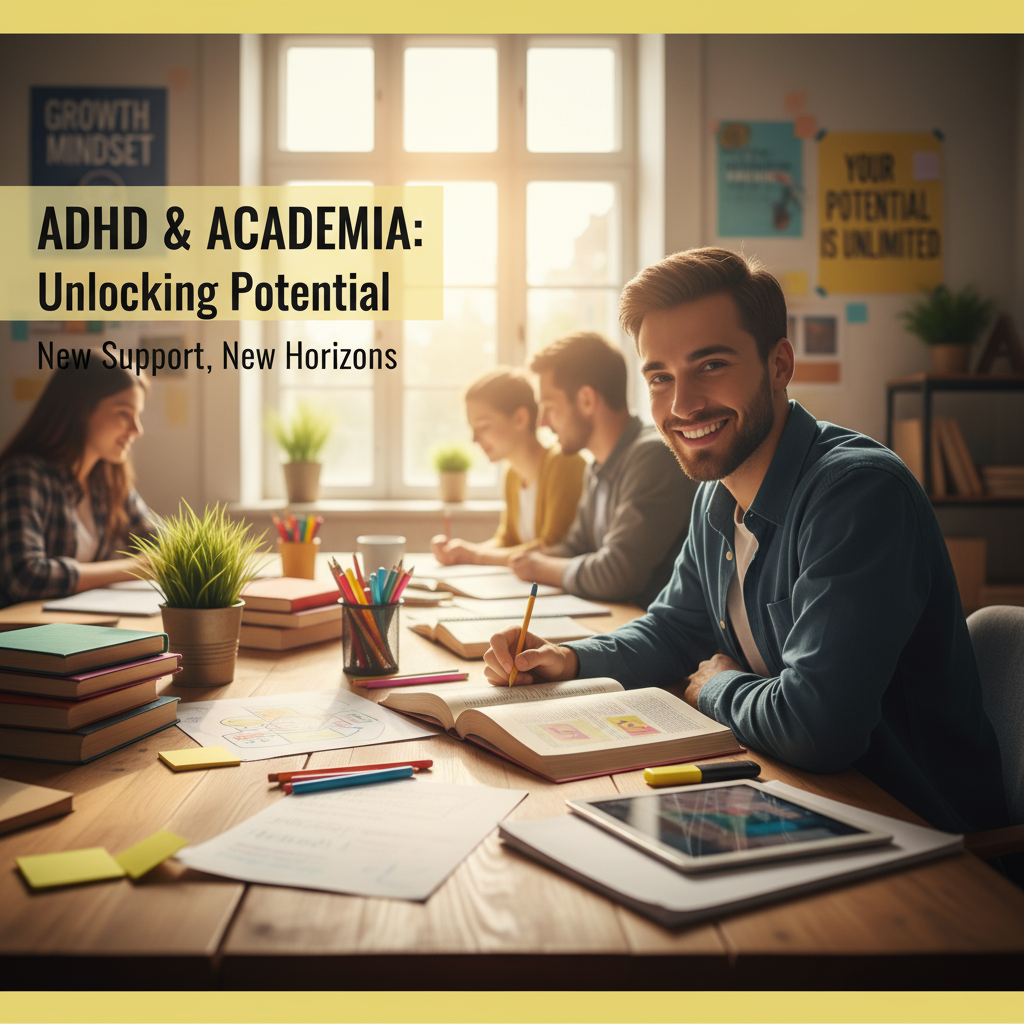
A Turning Point for ADHD Support in Education: What the New National Taskforce Report Means
On 6th November 2025, the independent ADHD Taskforce published its final report. It’s a landmark review into how ADHD is recognised, diagnosed, and supported across England.
The findings shine a light on what many families and educators have known for years: support for people with ADHD is inconsistent and often arrives too late. Long waiting lists, limited early intervention, and a lack of coordination between health and education systems mean that many children, teenagers, and young adults still face avoidable challenges at school and beyond.
At Minariel Tutors, we work closely with learners who have ADHD and see the impact of these gaps firsthand. Both Shannon and Freya — our Co-Founders at Minariel Tutors — have ADHD, giving us personal insight into the challenges our neurodiverse learners face every day. This lived experience informs everything we do, ensuring we understand the unique needs, strengths, and frustrations of children and young people with ADHD.

1. Creating a “Single Front Door” for ADHD Support
One of the most significant recommendations is the call for a single, accessible front door for ADHD support. Currently, families often find themselves navigating a confusing web of referrals, assessments, and services that don’t always communicate with each other.
The ADHD Taskforce proposes a simplified and joined-up support system:
Timely
- Responding quickly to concerns rather than waiting for crises
- Reducing diagnostic waiting times (currently 12-18 months in many areas)
- Providing early intervention before problems escalate
Graded in Intensity
- Offering the right level of help based on individual need
- Scaling support from universal (whole-school approaches) to specialist (CAMHS)
- Avoiding one-size-fits-all solutions
Holistic
- Addressing the whole person — including mental health, education, and family wellbeing
- Recognising that ADHD affects every aspect of life, not just behaviour
- Supporting emotional regulation, self-esteem, and relationships
Collaborative Across Systems
- Ensuring education, health, and social care work together rather than in silos
- Sharing information and coordinating care plans
- Involving families as equal partners in decision-making
This integrated approach — which aligns with our holistic teaching philosophy at Minariel Tutors — would make it far easier for families to access the right support at the right time. Whether through schools, local health teams, or community services, learners would feel supported.
For more information on ADHD support services, visit ADHD UK or the ADHD Foundation.

2. Supporting Adolescents and Young Adults (Ages 11–24)
The report highlights that adolescence and young adulthood are particularly high-risk periods. Between the ages of 11 and 24, young people face a series of major transitions — from primary to secondary school, GCSEs to sixth form or college, and eventually into work or higher education.
For those with ADHD, these transitions can be especially challenging. The report notes that this is when:
Mental Health Risks Peak
- 63–75% of all mental health conditions first emerge, including anxiety, depression, and substance misuse
- Many young people with ADHD experience academic disengagement, self-harm, and difficulties transitioning into adulthood
- Co-occurring conditions (anxiety, depression, eating disorders) are common but often undiagnosed
Support Gaps Widen
- Those diagnosed earlier are often lost to follow-up at age 18 when they move from child to adult services
- This leaves them without continued support during a critical time
- The transition from CAMHS to adult mental health services is notoriously difficult
Academic Pressure Intensifies
- GCSEs, A-Levels, and university applications create high-stress environments
- ADHD students may struggle with organisation, time management, and exam pressure
- Without support, many disengage from education entirely
This insight reinforces what many parents and tutors already observe: ADHD doesn’t disappear at 18. Without consistent care and educational support, young people risk falling behind academically, emotionally, and socially.
At Minariel Tutors, we work closely with this age group — helping students manage GCSE and A-Level stress, develop focus and organisation skills, and build the self-confidence they need to thrive in further education and beyond.
For support during this critical period, Young Minds offers excellent mental health resources for young people.

3. Improving School-Based ADHD Support
The ADHD Taskforce calls on the Department for Education (DfE) and NHS England to strengthen ADHD inclusion within schools through programmes such as:
Mental Health Support Teams (MHSTs)
- Expanding access to in-school mental health support
- Providing early intervention for anxiety, depression, and behavioural difficulties
- Training staff to recognise and respond to ADHD symptoms
The Partnership for Inclusion of Neurodiversity in Schools (PINS) Programme
- Embedding neurodiversity awareness across all schools
- Training teachers in ADHD-friendly teaching strategies
- Creating inclusive classroom environments
A Whole-School Approach to Mental Health and Wellbeing
- Making mental health everyone’s responsibility, not just SENCOs
- Integrating wellbeing into the curriculum
- Reducing stigma around ADHD and other neurodevelopmental conditions
These initiatives should be expanded, better coordinated, and include ADHD and neurodivergence explicitly. Schools should also receive training and guidance to:
- Create more inclusive classroom environments
- Offer needs-based support even before a formal diagnosis
- Work collaboratively with CAMHS and local neurodivergence services
- Prioritise early years support through “Best Start” hubs, ensuring early recognition of ADHD traits and offering parenting guidance
Crucially, the report recommends that early support be uncoupled from diagnosis — so that help is based on a child’s needs, not their place on a waiting list.
For guidance on SEND support in schools, visit the Department for Education SEND resources.

4. Tackling Inequality and Building Understanding
The ADHD Taskforce also highlights the importance of supporting disadvantaged families and minority communities, who are often under-represented in diagnosis and support services.
Key Inequalities Identified:
- Black, Asian, and minority ethnic children are less likely to be diagnosed with ADHD
- Girls and women are significantly under-diagnosed (often presenting with inattentive symptoms rather than hyperactivity)
- Low-income families face barriers to accessing private assessments and support
- Looked-after children and those in the care system have higher rates of ADHD but inconsistent support
For schools and educators, this means ensuring all children — regardless of background — receive equal access to understanding, inclusive teaching, and appropriate adjustments.
At Minariel Tutors, we believe every child deserves the opportunity to thrive. With our co-founders’ lived experience of ADHD, we bring personal insight, empathy, and practical strategies that empower learners to succeed academically and emotionally.
Resources for diverse families:

5. Our Commitment to Supporting Learners with ADHD
We welcome the ADHD Taskforce’s call for earlier, needs-based, and joined-up support. These recommendations align with everything we stand for:
Individualised Learning
- Tailored to each student’s strengths, pace, and focus
- Recognising that every ADHD learner is unique
- Adapting teaching methods to match attention spans and learning styles
Flexible Teaching Methods
- Keeping students engaged and motivated
- Using movement breaks, visual aids, and hands-on activities
- Breaking tasks into manageable chunks
Clear Communication
- With parents and schools to ensure consistent, coordinated support
- Regular progress updates and strategy adjustments
- Collaborative approach to goal-setting
Focus on Wellbeing
- Building confidence, self-regulation, and emotional resilience
- Not just academic results, but life skills
- Supporting mental health alongside learning
Our specialist ADHD tutors are trained to support learners from Year 7 to sixth form, helping them develop skills for school, exams, and life.

Looking Ahead
The ADHD Taskforce report represents more than just policy change — it’s a shift in mindset. It recognises that ADHD is not a behavioural problem or a school discipline issue, but a neurodevelopmental difference that requires understanding, early support, and collaboration.
What Needs to Happen Next:
- Government investment in ADHD services and school support
- Training for all teachers in ADHD-friendly teaching strategies
- Faster diagnostic pathways and reduced waiting times
- Better coordination between health, education, and social care
- Continued advocacy from families, charities, and professionals
There’s still a long way to go, but this report gives real hope for the future. With continued advocacy, training, and partnership between schools, families, and support services, we can build an education system where every learner feels seen, supported, and capable of success.
Frequently Asked Questions
What is the ADHD Taskforce report?
The ADHD Taskforce report, published on 6th November 2025, is an independent review of ADHD diagnosis, support, and services across England. It makes recommendations for improving access, reducing waiting times, and creating a more joined-up support system.
How long are current ADHD waiting times?
Waiting times for ADHD assessment vary widely but often range from 12-18 months or longer. The Taskforce recommends urgent action to reduce these delays and provide needs-based support while families wait.
Can my child get support before an ADHD diagnosis?
Yes! The Taskforce recommends that support should be based on need, not diagnosis. Schools should offer reasonable adjustments, and specialist tutoring can provide immediate help while you wait for assessment.
What is the “single front door” for ADHD support?
The “single front door” is a proposed system where families can access ADHD support through one coordinated entry point, rather than navigating multiple services. It aims to make support timely, holistic, and collaborative.
How can private tutoring help my child with ADHD?
Specialist ADHD tutoring provides individualised support tailored to your child’s attention span, learning style, and strengths. Our tutors help with organisation, focus, exam preparation, and confidence building — all while understanding the unique challenges of ADHD.
What should schools be doing to support ADHD students?
Schools should:
- Provide reasonable adjustments (extra time, movement breaks, quiet spaces)
- Train staff in ADHD-friendly teaching strategies
- Offer needs-based support before diagnosis
- Work collaboratively with families and health services
- Create an inclusive, stigma-free environment
If Your Child Has ADHD or Is Waiting for a Diagnosis, We’re Here to Help
At Minariel Tutors, our specialist tutors provide patient, engaging, and structured support designed to help learners stay focused, motivated, and confident.
Our ADHD tutoring services include:
- 1-to-1 specialist tutoring for all subjects and ages
- GCSE and A-Level exam preparation
- Organisation and study skills coaching
- Confidence building and emotional support
- Flexible, ADHD-friendly teaching methods
Both our co-founders have ADHD — we understand your child’s challenges because we’ve lived them too.
Book Your Free Consultation Today
Let’s discuss how we can support your ADHD learner’s journey.
Book Free Consultation | View Our ADHD Tutoring Services | Contact Us
Where Different Thinking Excels